Jumper Card
A card that leaps, falls, or flips out of the deck while you shuffle. Many readers treat it as a side-note from the deck — worth a look, but not the answer itself.

Detailed Explanation
Jumpers happen because hands are imperfect — and readers have turned that into a useful convention. The common approach: glance at the jumper, note its theme as background context, return it (or set it beside the spread), and carry on. It gets a voice, not a veto.
Examples
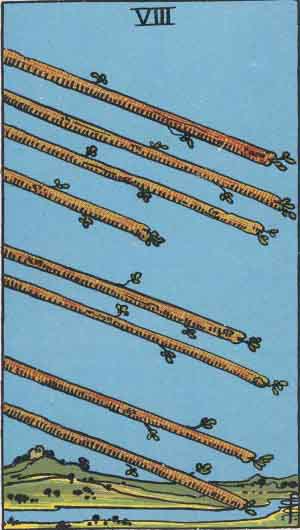
- •Eight of Wands jumps during a career shuffle: note 'things may move fast here' and continue
- •The same card jumps two readings in a row: worth a journal entry — what's it pointing at?
- •Three cards spill at once: that's a clumsy shuffle, not a message — just reshuffle
See It on the Cards
Try It Right Now
No stakes — poke at the concept and see how it behaves.
Jumper Card
While shuffling for a seeker's career question, Eight of Wands leaps out of the deck and lands face-up. What do you do with it?
What's your read?
Common Misunderstandings
❌ Myth: "A jumper overrides the whole reading"
✅ Reality: It's a margin note; the spread you actually deal still carries the reading
❌ Myth: "Ignoring a jumper ruins the reading"
✅ Reality: Plenty of readers reshuffle without a second thought — both conventions work if you're consistent
Practice Prompts
Use these questions to deepen your understanding:
- •"Decide your jumper policy before it happens: read it, note it, or reshuffle?"
- •"What's the difference between one deliberate-feeling jumper and half the deck hitting the floor?"
Want to try these on real cards? Take a practice reading and get instant feedback on your interpretation.
Related Terms
Continue Learning
Ready to use this knowledge?
Read for a real seeker and get instant feedback, or build your card knowledge one lesson at a time.