Glossary
Tarot Terms & Lingo
The words tarot readers use, in plain English. Start with querent, significator, reversals, clarifier, court cards, pip cards, Major Arcana and spread, then work through the rest by category.
38 terms across 6 categories — each with examples, common misreadings, and cards that show the idea in action.
Quick Reference
Reading Techniques
Deck Structure
Symbolism
Cards
Court Card
CardsThe face cards in each tarot suit: Page, Knight, Queen, and King, representing people, personality traits, or approaches to situations.
Pip Cards
CardsThe numbered cards Ace through Ten in each suit — illustrated with full scenes in RWS decks, suit symbols only in older ones.
Aces
CardsThe number-one card of each suit — pure, undiluted suit energy and the seed of a new beginning in that area of life.
Reading Process
Querent
Reading ProcessThe person asking the question or receiving the tarot reading, also called the seeker or client.
Spread
Reading ProcessThe pattern or layout in which tarot cards are arranged for a reading, with each position having a specific meaning.
Celtic Cross
Reading ProcessOne of the most popular tarot spreads, using 10 cards to provide an in-depth analysis of a situation from multiple angles.
Three-Card Spread
Reading ProcessA simple and versatile tarot layout using three cards, most commonly representing past, present, and future.
Shuffling
Reading ProcessThe process of mixing tarot cards before a reading to randomise the deck and attune it to the querent's question.
Jumper Card
Reading ProcessA card that leaps or falls out of the deck while shuffling — often read as a side-note from the deck, not the answer itself.
Deck Interview Spread
Reading ProcessA short spread used to 'meet' a new deck — what it teaches best, where it's blunt, and how you'll work together.
Reading Techniques
Reversals
Reading TechniquesCards that appear upside-down in a reading, often indicating blocked energy, internal influences, or alternative meanings.
Significator
Reading TechniquesA card chosen to represent the querent or the main theme of a reading, often placed separately from the spread.
Upright
Reading TechniquesThe standard, right-side-up orientation of a tarot card, presenting the card's core meaning and most direct energy.
Intuition
Reading TechniquesThe inner knowing or gut feeling that guides a tarot reader's interpretation beyond textbook card meanings.
Elemental Dignities
Reading TechniquesA technique for interpreting how cards influence each other based on the compatibility or conflict between their associated elements.
Card Combinations
Reading TechniquesThe practice of interpreting how two or more cards interact and modify each other's meanings in a spread.
Clarifier
Reading TechniquesAn extra card drawn to sharpen the message of a card that feels unclear — it adds context to the original card, never replaces it.
Yes/No Reading
Reading TechniquesA reading style that frames the question for a direct yes, no, or 'not yet' answer, usually from a single card.
Timing in Tarot
Reading TechniquesTechniques for reading when something might happen — best treated as momentum and tendencies, never as exact dates.
Deck Structure
Major Arcana
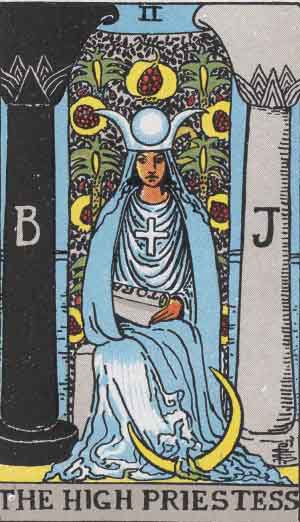
Deck StructureThe 22 trump cards of the tarot deck, representing significant life themes, spiritual lessons, and archetypal energies.
Minor Arcana
Deck StructureThe 56 suit cards of the tarot deck, divided into four suits, representing everyday events, choices, and practical matters.
Arcana
Deck StructureFrom the Latin word meaning 'secrets' or 'mysteries,' referring to the two main divisions of the tarot deck.
Suits
Deck StructureThe four groups that organise the Minor Arcana: Wands, Cups, Swords, and Pentacles, each tied to a classical element.
Wands
Deck StructureThe tarot suit associated with Fire, representing passion, creativity, ambition, energy, and willpower.
Cups
Deck StructureThe tarot suit associated with Water, representing emotions, relationships, intuition, and matters of the heart.
Swords
Deck StructureThe tarot suit associated with Air, representing intellect, communication, conflict, decisions, and truth.
Pentacles
Deck StructureThe tarot suit associated with Earth, representing material matters, finances, health, work, and the physical world.
Rider-Waite-Smith
Deck StructureThe most influential tarot deck tradition, published in 1909, illustrated by Pamela Colman Smith under A.E. Waite's direction.
Oracle Deck
Deck StructureAny card deck built on its own system rather than tarot's fixed 78-card structure — a different tool, not a rival.
Tarot de Marseille
Deck StructureThe classic European tarot tradition, older than Rider-Waite-Smith, with non-illustrated pips read through number and suit.
Symbolism
Numerology
SymbolismThe study of symbolic number meanings in tarot, where each number from Ace through Ten carries its own energy and significance.
Fool's Journey
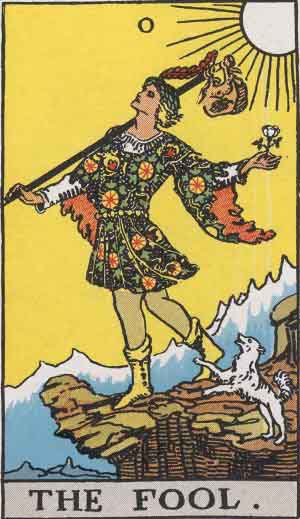
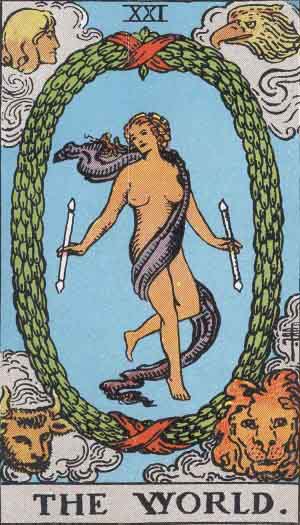
SymbolismThe story arc running through the 22 Major Arcana, from The Fool's first leap (0) to The World's completion (21).
Practice
Tarot Journal
PracticeA dedicated notebook where readers record readings, card interpretations, and reflections to track growth and deepen understanding.
Reading Ethics
PracticeThe ethical guidelines and responsibilities tarot readers follow to ensure readings are helpful, respectful, and do no harm.
Deck Selection
PracticeThe process of choosing a tarot deck that resonates with a reader's style, aesthetic preferences, and interpretive approach.
Daily Draw
PracticeThe habit of pulling one card each day as a focus, a journaling prompt, or the fastest way to learn the deck.
Deck Cleansing
PracticeRituals used to 'reset' a tarot deck between readings — the real mechanism is clearing the reader's head, not the cards.
Self-Reading
PracticeReading tarot for yourself — completely valid and great practice, with guardrails against reading what you want to see.
How to Use This Glossary
Essential Terms for Beginners
If you're new to tarot, start with these fundamental terms that you'll encounter in every reading:
Must-Know Terms
- • Querent - The person getting the reading
- • Spread - The card layout pattern
- • Reversals - Upside-down cards
- • Major Arcana - The 22 trump cards
- • Minor Arcana - The 56 suit cards
Card Types & Deck
- • Court Cards - The "face cards" of tarot
- • Significator - Card representing the querent
- • Suits - The four groups of Minor Arcana
- • Rider-Waite-Smith - The most popular tarot tradition
Continue Learning
Practice with Terms
Apply your vocabulary knowledge in realistic reading scenarios:
- • Practice Scenarios - Real-life reading situations
- • Spread Guides - Learn different card layouts
Build Your Foundation
Expand your tarot knowledge with comprehensive guides:
- • Card Meanings - Complete card reference
- • 8-Week Practice Plan - Structured learning path
Ready to use your tarot vocabulary?
Put the terms to work — read for a real seeker or learn the deck card by card.