Free tarot exercises · no signup
Tarot Exercises That Build Real Reading Confidence
Two ways to practise: write a reading for a real seeker and get instant feedback, or train one card at a time with quick multiple-choice lessons.
Your first seeker
June, 31. Ended it eight months ago over timing, not love. Last night he texted: “I've been thinking about you.”
Do I answer him — or finally close this door?
Clarifier
Free · no signup · feedback in under a minute
Prefer to train card by card? Jump to the multiple-choice lessons ↓
New to practicing? Read the method guide: how to practice tarot
Scenario exercises
Questions people actually bring to a reading
Every scenario starts with a real question from a real seeker. Pick one that sounds familiar, read their cards, and get feedback on your interpretation.
“Should I leave my job for a startup?”
Practise reading risk, momentum, and long-term fit.
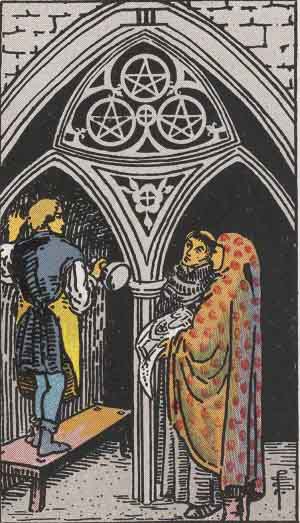
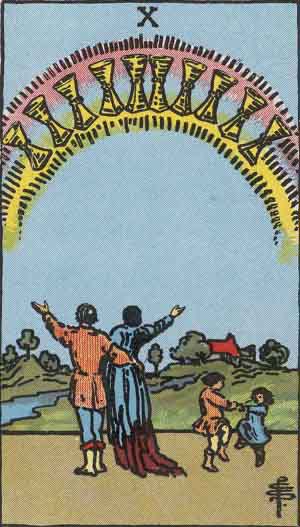
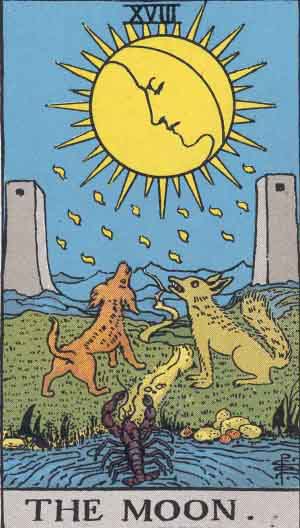
Decision 5-Card · dealt and ready
“Should I reconcile with my ex-partner?”
Distinguish genuine connection from nostalgia.
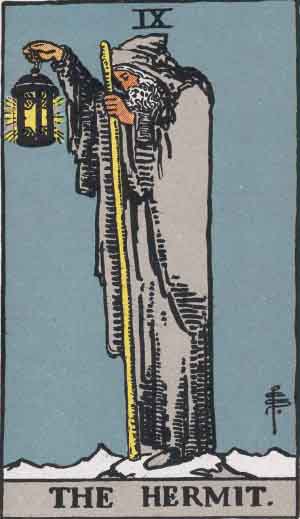
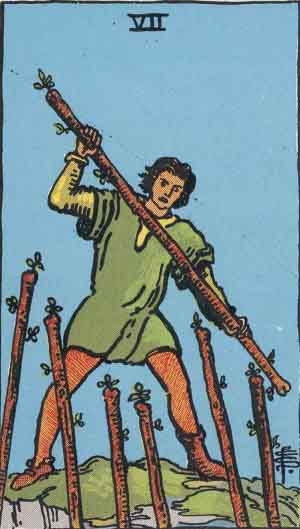

Relationship Mirror · dealt and ready
“I turned 30 and feel behind in life”
Reframe timing, comparison, and authentic success.
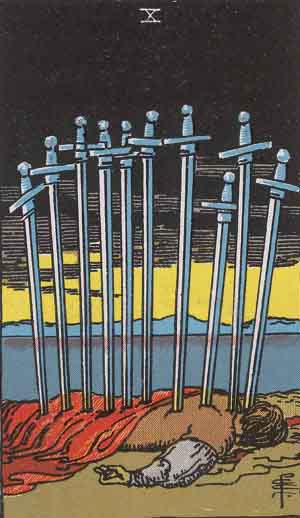

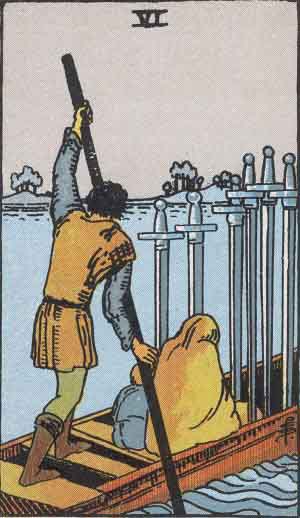
Celtic Cross · dealt and ready
“How do I set boundaries with my parent?”
Balance self-protection with maintaining loving family ties.

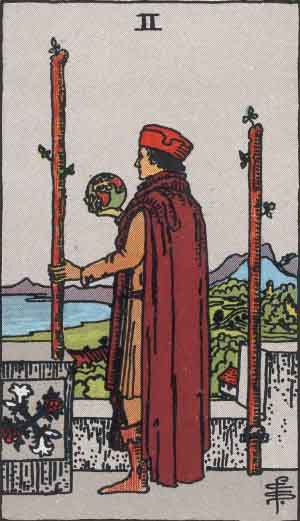
Relationship Mirror · dealt and ready
“How do I recover from burnout?”
Practise reading for rest, boundaries, and sustainable balance.
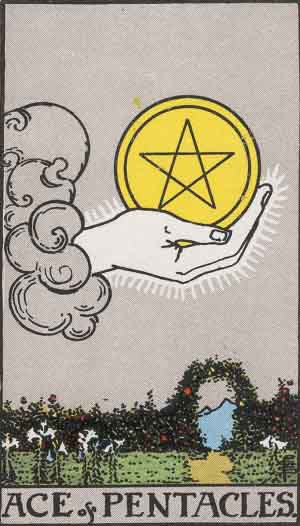
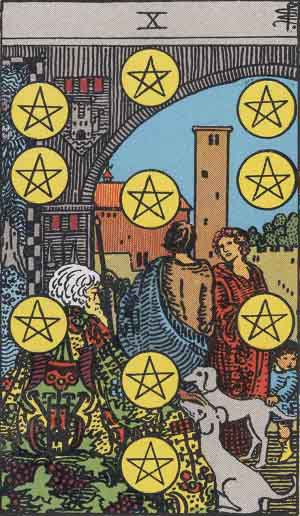
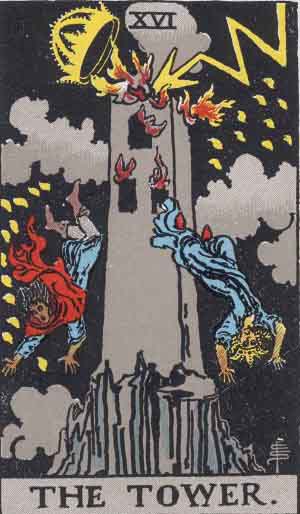
Celtic Cross · dealt and ready
“Should I read about someone who isn't present?”
Navigate consent, privacy, and ethical grey areas in practice.
Horseshoe · dealt and ready
Interactive lessons
Quick multiple-choice lessons, one card at a time
This is the real thing, not a preview — pick a card below and the lesson starts right here. Answer the multiple-choice checks, see why each answer is right or wrong, and carry on into the full lesson whenever you are ready.
Or jump straight into a featured card
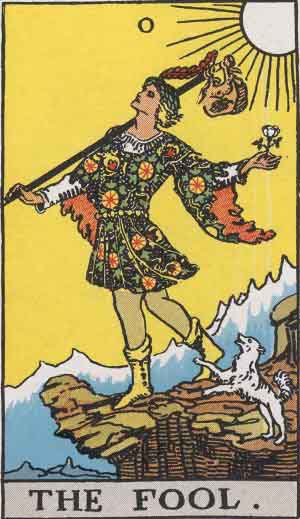
The Fool
Tell a real beginning apart from a romanticised escape — and find what the card is actually pointing to.
Start lesson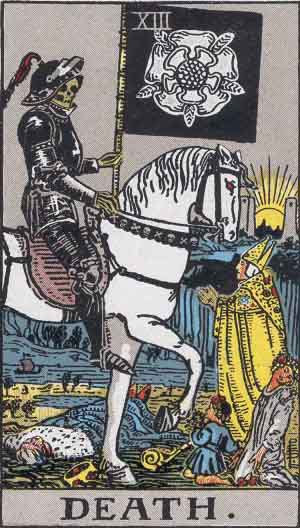
Death
Read it as a natural ending and what it clears, not a prediction of disaster.
Start lessonThe Tower
Separate sudden collapse from a truth that was always going to surface.
Start lessonThe Lovers
Move past “this is the one” to the card’s real theme: choice and alignment.
Start lesson
The Star
Read quiet hope and recovery without sliding into wishful thinking.
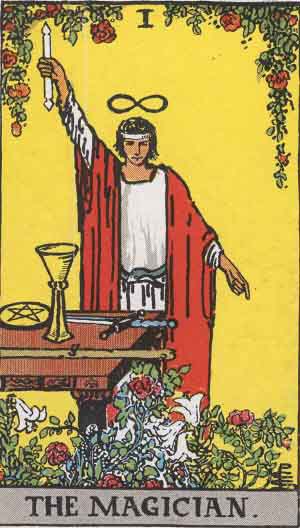
Start lessonThe Magician
Tell real capability apart from clever talk, persuasion, and illusion.
Start lessonCard combinations
How cards read together
Knowing 78 meanings is not the skill — reading three cards as one answer is. Try it: read the middle card first, then land the whole spread.
Omar asks
“My partner and I keep hitting the same argument and it's wearing me down — where's this heading?”
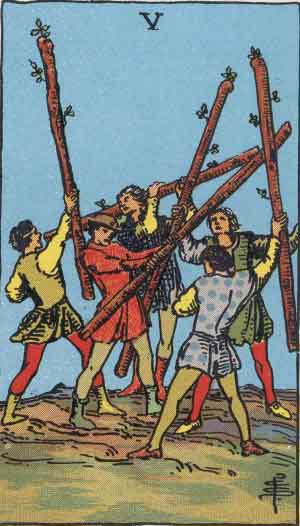
Past
Five of Wands
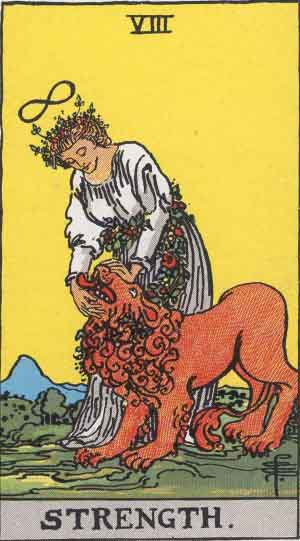
Present
Strength
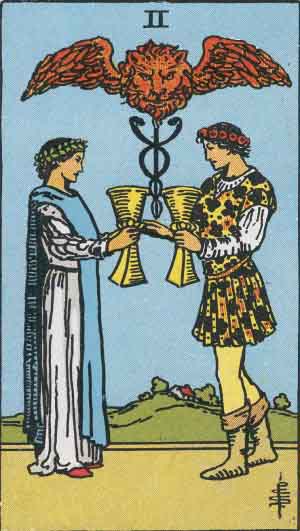
Future
Two of Cups
Strength is his Present.
What's Strength saying about where he is now?
How Tarot Exercises Work on Our Platform
Every exercise follows the same proven loop — whether it is a classroom lesson or a standalone scenario.
Read the Situation
You receive a seeker with a genuine question, a card spread, and the context you need to begin your interpretation.
Write Your Interpretation
Craft your reading in your own words. Address the seeker directly, connect the cards to their situation, and deliver clear guidance.
Receive Feedback
Our evaluator analyses your reading for theme accuracy, structure, depth, and delivery — then tells you exactly what was strong and what to sharpen.
Tarot Exercise Topics
Practise with exercises across the full range of situations people actually bring to tarot readings.
Career & Decisions
Job transitions, workplace conflict, life-changing choices
“How do I handle a hostile manager?”
Love & Relationships
Romance, trust, breakups, emotional dynamics
“Are these red flags in my relationship?”
Self-Growth
Identity, transitions, purpose, personal development
“How do I overcome imposter syndrome?”
Family & Boundaries
Family dynamics, boundary-setting, generational patterns
“My estranged father wants to reconnect after 20 years”
Wellbeing & Burnout
Burnout recovery, self-care, sustainable balance
Ethics & Difficult Reads
Consent, third-party readings, ethical grey areas
Every Practice Question on the Site
All 15 scenario exercises, by topic. Each one opens a full walkthrough — the seeker's story, a recommended spread, and a sample reading — with a practice session one tap away.
Career & Decisions
Love & Relationships
Self-Growth
Family & Boundaries
Wellbeing & Burnout
Ethics & Difficult Reads
Want the question without the story?
A bank of 200 plain, one-line tarot practice questions across twelve life areas, sorted by how hard they are to read. Shuffle one, draw three cards, write the reading, get feedback.
Browse all 200 tarot practice questionsSpread Exercises for Every Level
Start with simple pulls and progress to complex spreads as your confidence grows.
Past · Present · Future
Understand how a situation formed and where it leads
How to read it →BeginnerSituation · Action · Outcome
Practical guidance on what to do next
BeginnerOption A · Option B · Advice
Compare paths and get clear direction
IntermediateMind · Body · Spirit
Holistic check-in across thinking, energy, and needs
How to read it →IntermediateWhat Are Tarot Exercises?
Tarot exercises are structured practice activities that help you move beyond memorising card meanings and into actually reading with confidence. Instead of studying definitions in isolation, exercises put you in realistic reading situations where you have to interpret cards for a real person with a real question.
The most effective tarot exercises combine three elements: a clear learning objective (what skill you are building), a realistic context (a seeker with a genuine question), and meaningful feedback (what you did well and what to improve). That is exactly how the exercises above work.
Whether you are a complete beginner doing your first single-card reading or an experienced reader working through complex Celtic Cross spreads, the right exercises matched to your level accelerate your growth faster than passive study alone.
Why Tarot Exercises Beat Memorisation
Memorisation Alone
- • You know "The Tower means upheaval" but freeze when someone asks what it means for their situation
- • You can list keywords but struggle to weave cards into a coherent narrative
- • You feel confident studying but anxious actually reading
- • No feedback loop — you repeat the same mistakes
Active Practice Exercises
- • You learn to connect card meanings to specific human situations
- • You build the skill of structured, clear delivery under pressure
- • Feedback after every reading shows blind spots and strengths
- • Confidence compounds — each exercise makes the next one easier
You do not lack knowledge. You lack structured practice.
Start Your First Exercise FreeNo signup required. Takes about 4 minutes.
Structured Learning
The Tarot Classroom
A structured curriculum that teaches you tarot card by card through the entire Major Arcana. Each lesson takes about 4 minutes and follows the same pattern:
- 1Learn: Understand the card beyond basic keyword meanings
- 2Apply: Interpret the card in a realistic seeker scenario
- 3Improve: Receive detailed feedback on your reading
Curriculum Progress
Core Archetypes
Fool → Hierophant
Choices & Direction
Lovers → Hermit
Turning Points
Wheel of Fortune → Death
Crisis & Shadow
Temperance → Tower
Resolution & Growth
Star → World
Frequently Asked Questions About Tarot Exercises
What are tarot exercises?
Are these tarot exercises free?
What are the interactive multiple-choice tarot lessons?
What tarot exercises are best for beginners?
How do tarot reading exercises improve my skills?
Can I practise tarot exercises daily?
What kind of feedback do I get on my tarot exercises?
Do I need my own tarot deck to do these exercises?
What is the difference between the classroom and practice scenarios?
Stop Studying. Start Practising.
Your First Tarot Exercise Is Free
Pick a card lesson, choose a scenario, or jump into a freeform reading. Get honest feedback on your interpretation in minutes.
No account required. Real practice, real feedback.