Self-Reading
Reading tarot for yourself. Completely valid, endlessly useful for practice — and harder than reading for others, because you're both the reader and the person who wants a particular answer.
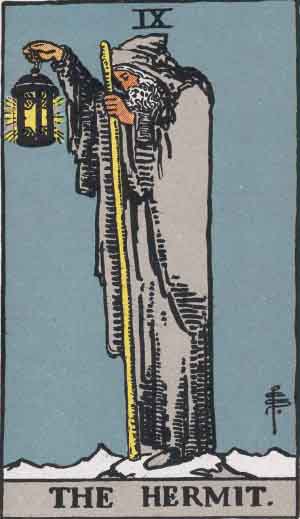
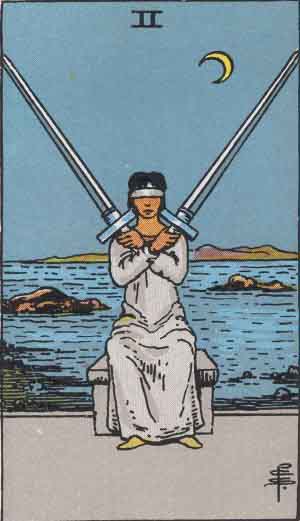

Detailed Explanation
The challenge of self-reading is projection: you know what you hope the cards say, and hope is persuasive. The fix is technique — write the question down before you shuffle, read each card aloud as if a stranger pulled it, and journal the reading so future-you can audit present-you. Done this way, self-reading is the best training tool there is.
Examples
- •Write the question first: 'What am I not seeing about this conflict?' beats 'Are they wrong?'
- •Read the card for 'a seeker' first, then apply it to yourself second
- •Journal it — an accuracy check a week later teaches you more than the reading did
See It on the Cards
Try It Right Now
No stakes — poke at the concept and see how it behaves.
Self-Reading
Reading for yourself about a breakup, every card you pull somehow says 'they'll come back.' What's most likely happening?
What's your read?
Common Misunderstandings
❌ Myth: "You can't read tarot for yourself"
✅ Reality: You can — you just need guardrails against wishful reading, which every reader needs anyway
❌ Myth: "Self-readings are automatically accurate because you know the situation"
✅ Reality: Knowing the situation is exactly the bias — technique keeps the reading honest
Practice Prompts
Use these questions to deepen your understanding:
- •"Take a question you have strong feelings about and read it twice: once as yourself, once as if it were a stranger's — what changes?"
- •"What guardrails keep your self-readings honest?"
Want to try these on real cards? Take a practice reading and get instant feedback on your interpretation.
Related Terms
Continue Learning
Ready to use this knowledge?
Read for a real seeker and get instant feedback, or build your card knowledge one lesson at a time.