Tarot de Marseille
The classic European tarot tradition, centuries older than Rider-Waite-Smith, with bold woodcut-style Majors and non-illustrated pips read through number and suit.
Detailed Explanation
Before RWS drew scenes on every card, Marseille-style decks ruled Europe — and they still have a devoted following. Reading Marseille pips means leaning on structure: the number's energy plus the suit's domain, no picture to prompt you. Many readers say it sharpened their fundamentals like nothing else.
Examples
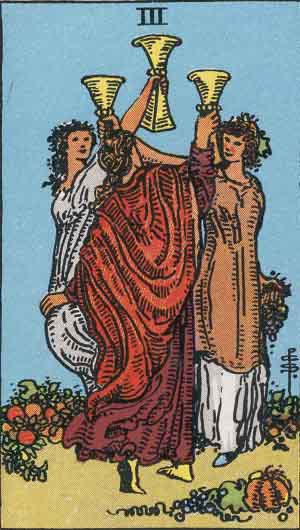
- •Three of Cups in Marseille: three (growth) + Cups (feeling) = a connection expanding — no party scene required
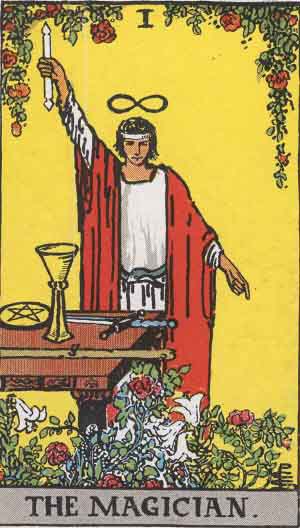
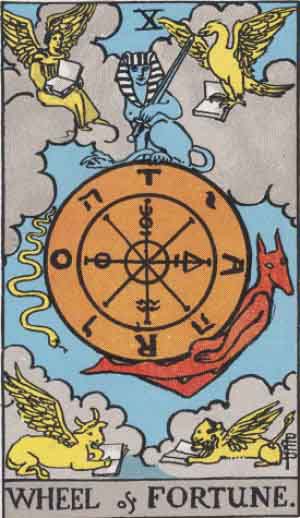
- •The Majors stay recognisable: Le Bateleur is The Magician, La Roue de Fortune is the Wheel
- •Marseille reading style often favours small spreads and sharp, structural answers
See It on the Cards
Try It Right Now
No stakes — poke at the concept and see how it behaves.
Tarot de Marseille
A seeker brings a Marseille deck to your table. You flip the Three of Cups: three ornate cups, no celebration scene. How do you read it?
What's your read?
Common Misunderstandings
❌ Myth: "Marseille decks are outdated or incomplete"
✅ Reality: It's a complete, older system — RWS built on it, not past it
❌ Myth: "You can't learn tarot on a Marseille deck"
✅ Reality: You can — you'll learn number + suit logic first and imagery second, the reverse of the RWS path
Practice Prompts
Use these questions to deepen your understanding:
- •"Read three pips using only number + suit, covering the artwork — how do your reads compare?"
- •"What does the Marseille approach teach that scene-reading can hide?"
Want to try these on real cards? Take a practice reading and get instant feedback on your interpretation.
Related Terms
Continue Learning
Ready to use this knowledge?
Read for a real seeker and get instant feedback, or build your card knowledge one lesson at a time.