Tarot Practice Scenarios
Choose realistic tarot exercises and reading tasks, practice your interpretation, and improve with guided feedback.
Practice + Feedback
Realistic scenarios with guided AI evaluation
Start Here
Hand-picked scenarios to get you practising right away.

Featured ready scenario
Seeker: Marcus
Should I leave my job for a startup?
Practise reading risk, momentum, and long-term fit.

Featured ready scenario
Seeker: Elena
I just got engaged but I feel panic instead of joy
Read the difference between cold feet and genuine warning signs.

Featured ready scenario
Seeker: Lyra
Can our love survive long distance?
Practise reading commitment, patience, and practical relationship strain.

Featured ready scenario
Seeker: Aliyah
How do I move forward after losing someone I love?
Practise reading grief, guilt, and the courage to begin again.
Featured ready scenario
Seeker: Celeste
My estranged father wants to reconnect after 20 years
Read the tension between longing for closure and fear of reopening wounds.

Featured ready scenario
Seeker: Nora
Is my online connection real or am I being deceived?
Practise reading trust, vulnerability, and digital-age love.
Browse All Tarot Practice Scenarios
Explore realistic reading situations across every area of life.
Career & Decisions
Practise reading for career transitions, workplace conflict, and major life decisions where practical and emotional factors collide.
Should I leave my job for a startup?
Practise reading risk, momentum, and long-term fit.
How do I handle a hostile manager?
Navigate power dynamics and strategic workplace responses.
Should I move or renovate my house?
Weigh practical finances against emotional attachment.
Love & Relationships
Build your skill with romance, trust, breakups, and the complex emotional dynamics people bring to love readings.
Should I reconcile with my ex-partner?
Distinguish genuine connection from nostalgia.
Are these red flags in my relationship?
Validate intuition while separating it from anxiety.
I just got engaged but I feel panic instead of joy
Read the difference between cold feet and genuine warning signs.
Can our love survive long distance?
Practise reading commitment, patience, and practical relationship strain.
Is my online connection real or am I being deceived?
Practise reading trust, vulnerability, and digital-age love.
Self-Growth & Life Direction
Practise interpreting readings about identity, life transitions, purpose, and the inner work of personal development.
I turned 30 and feel behind in life
Reframe timing, comparison, and authentic success.
How do I overcome imposter syndrome?
Build authentic confidence and recognise real skill.
How do I move forward after losing someone I love?
Practise reading grief, guilt, and the courage to begin again.
Family & Boundaries
Handle the complexity of family dynamics, boundary-setting, and generational patterns in your readings.
How do I set boundaries with my parent?
Balance self-protection with maintaining loving family ties.
My estranged father wants to reconnect after 20 years
Read the tension between longing for closure and fear of reopening wounds.
Wellbeing & Burnout
Practise reading for burnout recovery, self-care decisions, and sustainable work-life integration.
How do I recover from burnout?
Practise reading for rest, boundaries, and sustainable balance.
Ethics & Difficult Situations
Navigate the hardest questions in tarot practice: consent, third-party readings, and ethical grey areas.
Should I read about someone who isn't present?
Navigate consent, privacy, and ethical grey areas in practice.
Not just prompts — real feedback
You do not just read these scenarios. You can test your interpretation and see how it holds up.
"The Fool in the current situation shows Marcus is ready for change — he's been feeling stagnant. The Eight of Pentacles in the startup position means he'll need to work hard, but the skills he builds will be worth it..."
What you did well
- •Connected The Fool to Marcus's specific situation, not just generic "new beginnings"
- •Recognised the skill-building message in Eight of Pentacles
What to strengthen
- •The Five of Pentacles challenge card was missed — consider financial risk
- •Address the seeker's wedding costs and partner's loans as practical factors
Next step: Try connecting the cards to each other, not just to the question individually. How does The Fool's energy interact with the Eight of Pentacles? That's where nuanced reading begins.
No account required for your first practice session.
Next step after free practice
Want to Learn Tarot Step by Step?
Practice helps you sharpen your reading. The classroom helps you build lasting card knowledge and interpretation skill through guided lessons.
Major Arcana Classroom Path
Available now and upcoming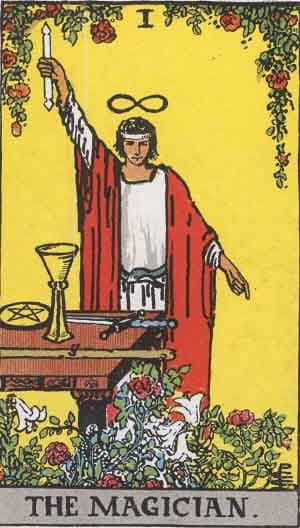
The Magician
Lesson + practice
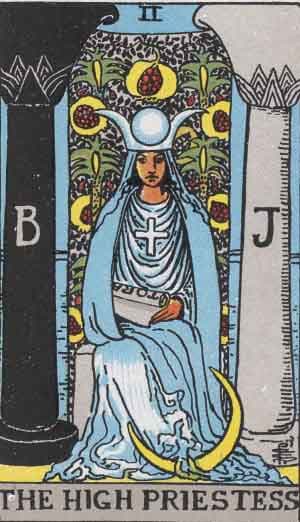
The High Priestess
Coming into focus

The Fool
Start here

The Emperor
Coming next

The Hierophant
Locked
Why practise with scenarios?
Card meanings alone do not create good readings. Strong tarot interpretation requires context, and these scenarios help you practise real application — not just memorisation.
Realistic situations
Practise on questions that feel like real readings, not vague prompts. Each scenario includes a seeker with a genuine dilemma.
Interpretation training
Learn to connect the cards to the situation clearly and coherently. Move beyond keyword lists into genuine reading skill.
Guided feedback
See where your reading is strong, weak, or missing something important. Feedback helps you grow faster than practice alone.
Create a free account to save your practice and continue learning
Keep track of your progress and get the most out of every practice session.
Frequently Asked Questions
What are tarot practice scenarios?
How do tarot scenarios help improve readings?
Are these tarot exercises and tasks good for daily practice?
Are these scenarios good for beginners?
Can I get feedback on my interpretation?
What is the difference between the scenarios and the tarot course?
Practise freely. Learn deeply.
Start with a realistic tarot scenario, or follow the structured course to build reading confidence step by step.