Past–Present–Future
- A 3-card spread read left to right: what shaped the situation, where it stands, where it is heading.
- The future card is a trajectory, not a verdict; it shows where things go if nothing changes.
- Best for getting oriented on one question; too small for decisions with several moving parts.
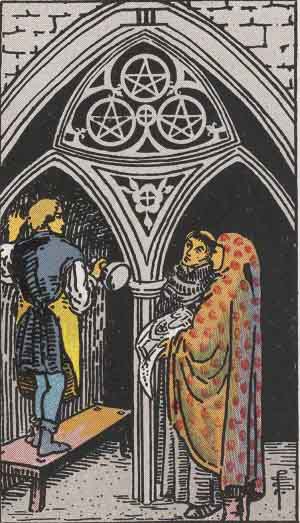 1
1Past
What shaped this situation — the influences, patterns, or events that led to where you are now.
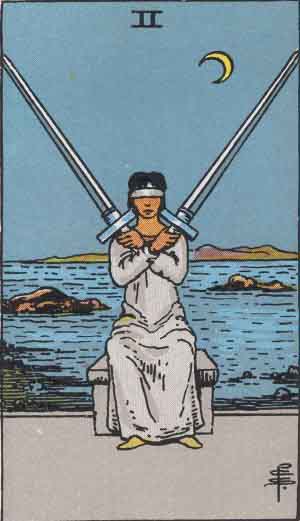 2
2Present
Where you stand right now: the current energy, challenge, opportunity, or mindset. Usually the most actionable card.
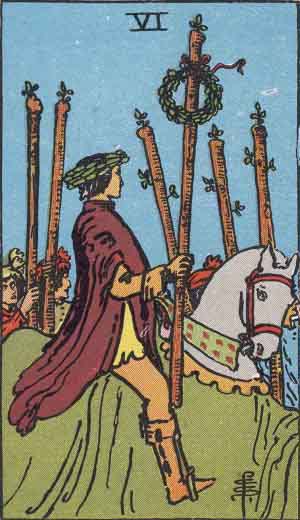 3
3Future
The likely outcome if current patterns continue. Not fate — guidance on what to adjust.
Sample cards shown. Your practice reading draws a fresh spread.
Reach for this spread when
- ✓Getting oriented when you feel stuck or unsure of direction
- ✓Understanding how a situation developed and where it's heading
- ✓A quick overview before committing to a deeper reading
Skip it when
- ✕Decision questions with two options on the table — this spread shows one arc, not a comparison. The Decision spread puts the options side by side.
- ✕When the past is still raw. A Past card lands hard on a fresh wound and tends to hijack the other two positions.
- ✕Fact-finding (“what actually happened?”) — the Past position reflects your relationship to the past; it doesn’t fetch evidence.
Got the layout? Read this spread for a real seeker and get feedback on strengths, blind spots, and what to sharpen. Free, no signup. Not sure how to practise yet? How to practice tarot is the 15-minute loop we recommend.
Try a reading nowTry it now
The cards are dealt. Read this spread for a real seeker and get instant feedback on your interpretation. No signup needed.
Try the Past–Present–Future now
Your seeker
Celeste. My father left when I was 10. After 20 years of silence, he’s reaching out. Part of me longs for closure, but I fear reopening wounds I worked hard to heal.
“What led to this moment with my father, and where is it heading?”
1 of 3
Past
What shaped this situation — the influences, patterns, or events that led to where you are now.
Feedback on your reading: strengths, blind spots, what to sharpen · free · no signup
Prefer one big text box?
Worked example
A draw like this, read card by card
One way to walk these cards, not the only one. The language stays open (“it may point to…”): the cards suggest, they don't dictate.
“Should I apply for the promotion my manager hinted at?”
Past: Three of Pentacles
I'd read the Three of Pentacles as the groundwork you've already laid — the craftsperson is shown collaborating, respected for skill. For the Past position it may point to a foundation built through teamwork and earned trust, the kind of track record that makes this opportunity exist at all.
In another contextShow less
Asked about a stalled creative project instead, the same card might read less as past credit and more as a nudge to bring other people in rather than going it alone.
Present: Two of Swords
The Two of Swords leans toward a decision held at arm's length — blindfolded, two swords balanced, refusing to look. In the Present it may be saying you already sense the answer but are stalling, weighing the move so carefully that you've stopped moving.
Future: Six of Wands
Six of Wands reads as recognition — the rider returns to applause. As the Future-if-nothing-changes it suggests the trajectory is favourable: step forward and the effort is likely to be acknowledged. Read as guidance, it's encouraging the move rather than promising it.
Read as one story
Read as one arc: a solid foundation (Three of Pentacles) has brought you to a moment of hesitation (Two of Swords), and the path forward points toward recognition (Six of Wands). The story isn't 'you will be promoted' — it's 'stop second-guessing the groundwork you've already done.' Notice the reading lives in the flow between cards, not in any one of them.
The move: letting the flow between cards carry the meaning — groundwork → hesitation → recognition. The reading lives in the arrows, not the cards; that’s sequencing, and it’s teachable. Practise moves like this in the card lessons.
Same card, a different questionShow less
Two of Swords here: In the Present position it reads as decision paralysis — sensing the answer but refusing to look directly at it.
In the Three-Card Daily: Landing on the Situation of a tense friendship question, the same card reads as peace-keeping avoidance — keeping things calm by not saying what needs saying.
About the Past–Present–Future
The Past–Present–Future spread is tarot's most popular three-card layout — fast, clear, and perfect for getting oriented when you feel stuck or curious about direction. You read it left to right as a single arc: what shaped the situation, where it stands now, and the trajectory it's on if nothing changes.
Also Good For
- ✓Reflecting on the arc of a relationship, project, or decision
- ✓Beginner practice for reading cards in sequence rather than isolation
Common Mistakes
Treating the Future card as fixed fate
Instead: Read it as the trajectory if nothing changes — guidance for what to adjust now, not a verdict. The spread shows inertia, not inevitability.
Reading the three cards as three separate fortunes
Instead: Read them as one sentence: how the past feeds the present, and what the present points toward. That flow between positions is the whole skill.
Putting the most weight on the Past
Instead: The past only explains how you got here. The Present is usually where your leverage is — let it carry the reading.
Card lessons · try one right here
Spreads get easier when each card speaks.
Positions tell you where to look; the cards still have to say something. Each card has its own short interactive lesson: catch the common misread, hear what the card says, then prove it in a quick check.
Building It Together
The usual misread: “It's the Three of Pentacles — the work's paid off, so it's a done success.”
Practice the Past–Present–Future with a real question
Reading about positions is the easy half. Our free tarot exercises hand you a seeker, a question, and drawn cards. You do the reading, and get feedback on your interpretation.
Try the tarot exercises →