Celtic Cross
- The Celtic Cross is a 10-card tarot spread for big, tangled questions.
- Six cards form a cross (the situation); four form a staff (the seeker and the outcome).
- Lay it out 1 to 10, read it in pairs, and check the outcome against the present card.
 5
5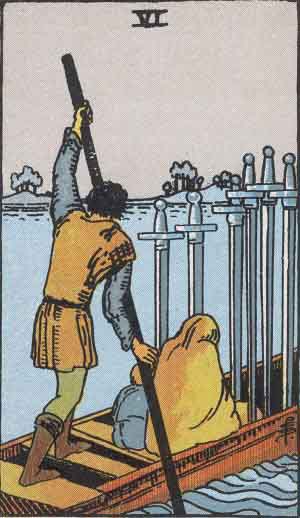 4
4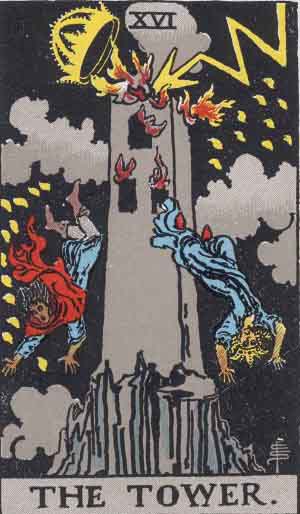 1
1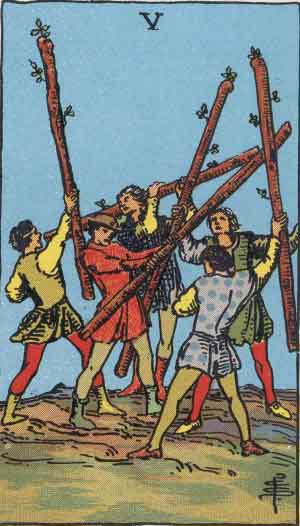 2
2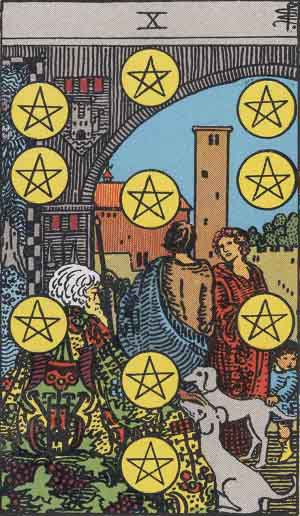 6
6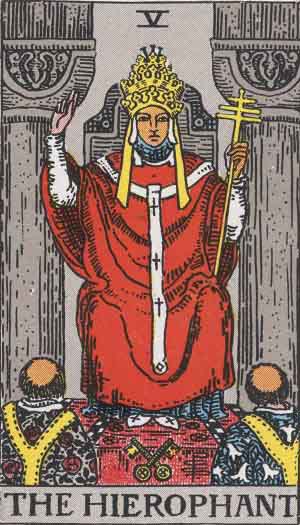 3
3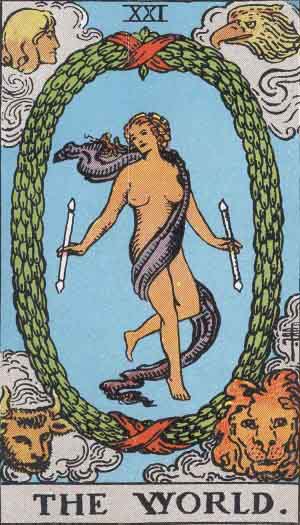 10
10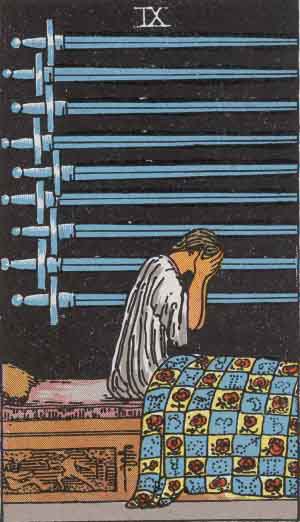 9
9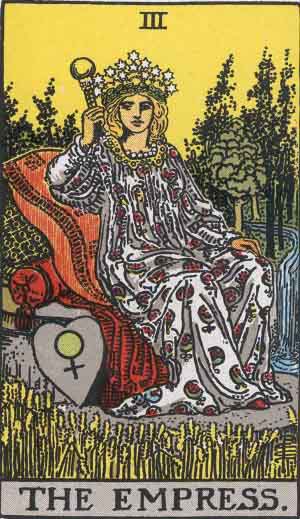 8
8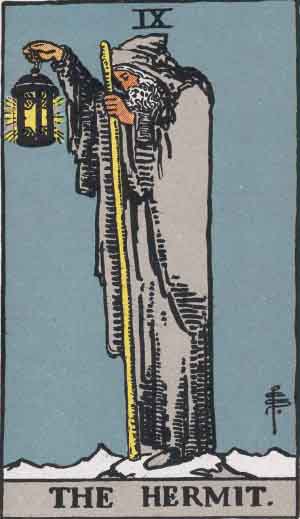 7
7Laid out as it’s traditionally dealt; numbers show the reading order. Your practice reading draws a fresh spread.
1.Present Situation
What's happening now, the heart of the matter
2.Challenge/Cross
What's working against you or the main obstacle
3.Distant Past
Past events that led to this situation
4.Recent Past
Recent events affecting the present
5.Possible Outcome
What could happen if things continue as they are
6.Near Future
What's likely to happen in the immediate future
7.Your Approach
How you're handling the situation
8.External Influences
How others see you or external factors
9.Hopes and Fears
Your inner feelings about the situation
10.Final Outcome
The ultimate result or resolution
Reach for this spread when
- ✓Major life questions requiring deep insight
- ✓Complex situations with multiple factors
- ✓When you need comprehensive understanding
Skip it when
- ✕Your first readings. Ten positions before position-reading feels natural teaches you to fake fluency — earn it on three-card spreads first.
- ✕Emotionally raw questions — ten cards give anxiety ten places to hide, and Hopes and Fears will happily host it.
- ✕Quick daily guidance — dealing the Cross for “how’s today?” is bringing a survey crew to check the weather.
Got the layout? Read this spread for a real seeker and get feedback on strengths, blind spots, and what to sharpen. Free, no signup. Not sure how to practise yet? How to practice tarot is the 15-minute loop we recommend.
Try a reading nowTry it now
The cards are dealt. Read this spread for a real seeker and get instant feedback on your interpretation. No signup needed.
Try the Celtic Cross now
Your seeker
Celeste. My father left when I was 10. After 20 years of silence, he’s reaching out. Part of me longs for closure, but I fear reopening wounds I worked hard to heal.
“What's really going on in this chapter of my life, and where is it heading?”
1 of 10
Present Situation
What's happening now, the heart of the matter
Feedback on your reading: strengths, blind spots, what to sharpen · free · no signup
Prefer one big text box?
Worked example
A draw like this, read card by card
One way to walk these cards, not the only one. The language stays open (“it may point to…”): the cards suggest, they don't dictate.
“What's really going on in this chapter of my life, and where is it heading?”
1Present Situation2Challenge/Cross3Distant Past4Recent Past5Possible Outcome6Near Future7Your Approach8External Influences9Hopes and Fears10Final OutcomePresent Situation: The Tower
I'd read this as sudden upheaval — a structure cracking. It may be pointing to a recent shock that, uncomfortable as it is, clears away something that was no longer sound.
Challenge/Cross: Five of Wands
Crossing it, the Five of Wands reads as friction and competing voices — the scattered conflict that makes the upheaval feel chaotic rather than clean.
Distant Past: The Hierophant
Far back, the Hierophant may point to inherited rules or tradition — a belief system or institution that shaped how you got here.
Recent Past: Six of Swords
Recently, Six of Swords reads as a transition already underway — moving away from rougher waters toward calmer ones.
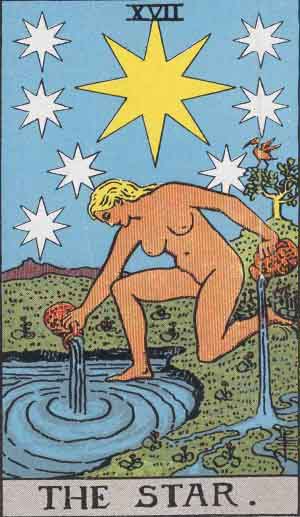
Possible Outcome: The Star
Up top, the Star leans toward healing as a real possibility — hope and renewal if you keep faith through the mess.
Near Future: Ten of Pentacles
Soon, Ten of Pentacles may suggest stability and legacy taking shape — security on the horizon, perhaps through family or long-term foundations.
Your Approach: The Hermit
You're meeting this inwardly — withdrawing to reflect and find your own light. It might suggest hard-won wisdom, or a touch of isolation.
In another contextShow less
In a relationship question, the Hermit in this spot could read as needing space, rather than soul-searching.
External Influences: The Empress
Around you, the Empress reads as a nurturing presence or fertile circumstances — support and abundance you may be underusing.
Hopes and Fears: Nine of Swords
Nine of Swords here often reads as the 3am fear — anxiety and worst-case imagining, which may be louder than the reality the other cards describe.
Final Outcome: The World
The World reads as genuine completion — a cycle closing well, integration. It may be pointing to arrival: the upheaval ultimately resolving into wholeness.
Read as one story
Across ten cards a shape emerges: a hard rupture (the Tower) inside old structures (the Hierophant), already shifting toward calmer water (Six of Swords), with real hope (the Star) and completion (the World) available — if the inner fear (Nine of Swords) doesn't run the show. I'm reading the spread as one connected story, not ten separate omens; with this many cards, the patterns between them matter more than any single card.
The move: finding the spine — the three or four cards that carry the story (here: the Tower, Six of Swords, the Star) — and letting the rest add detail. Nobody reads all ten equally; weighting is the learnable secret. Practise moves like this in the card lessons.
Same card, a different questionShow less
The Star here: In the Possible Outcome position, it reads as where things are heading — healing as a destination.
In the Check-In One Card: Pulled as a single daily card, the same Star reads as today's medicine — rest, recover, refill the well.
About the Celtic Cross
The Celtic Cross is the most comprehensive tarot spread, providing deep insight into complex life situations. Ten cards split into two halves: a six-card cross that maps the situation itself — present, obstacle, past, and trajectory — and a four-card staff that maps the seeker's relationship to it: their stance, their surroundings, their inner weather, and where it all resolves. Read well, it doesn't just answer the question; it usually shows the seeker a bigger question underneath it.
Where it comes fromShow less
The Celtic Cross is one of the oldest published tarot spreads. Arthur Edward Waite included it in The Pictorial Key to the Tarot (1910) as 'an ancient Celtic method of divination,' and it has been the default 'big reading' ever since. Over a century of use has produced many variations — some readers swap the order of the past and future arms, others read the card above the cross as the conscious mind rather than a possible outcome. None of these is wrong. What matters is deciding your positions before you deal, and reading consistently once the cards are down.
Each Position, Closer
1. Present Situation
What's happening now, the heart of the matter
This card anchors the whole spread — every other position is read in relation to it. It names the energy at the center of the seeker's question, which is not always the situation they described: someone asks about a job and the Three of Swords lands here, and the reading is suddenly about the grief underneath the career question. Before moving on, check it against the question. When the present card and the question don't match, that gap is usually the most honest thing in the spread.
2. Challenge/Cross
What's working against you or the main obstacle
Dealt sideways across the first card, this is what 'crosses' the seeker — the force complicating the present. Two things beginners miss: first, it isn't automatically negative. A gentle card here (say, the Six of Cups) can mean the obstacle is comfort itself — an old sweetness that's hard to leave. Second, the challenge is read as one unit with card 1: not 'here is your situation, and separately, a problem,' but 'this is the specific tension inside your situation.'
3. Distant Past
Past events that led to this situation
The root of the matter — conditions, decisions, or long-standing patterns that made the present possible. This card often explains why the situation feels the way it does rather than what to do about it. A court card here frequently points to a formative person; a Major Arcana card suggests the roots go deeper than the seeker's current story about themselves. Don't linger — its job is context, not verdict.
4. Recent Past
Recent events affecting the present
What is just leaving — events of the past weeks or months that are still coloring the present but already losing their grip. Reading cards 3, 4, 1, and 6 in a row gives you the spread's timeline: where this came from, what just happened, where it stands, what's next. If the recent-past card seems more alive than the present card, ask whether the seeker is still living in it.
5. Possible Outcome
What could happen if things continue as they are
The card above the cross — where the situation is heading on its current course. It is a projection, not a promise: it holds only if nothing changes. Read it against card 10. When they agree, the trajectory is stable; when they clash, something between now and then — often visible in cards 6 through 9 — bends the path. Note the common variation: many readers treat this position as the conscious mind, what the seeker believes they want. Either convention works; pick one before you deal.
6. Near Future
What's likely to happen in the immediate future
The next chapter, not the conclusion — think weeks, not years. This card describes what the seeker will walk through next, and it's often practical: an offer, a conversation, a mood shift. A dramatic card here doesn't override a calm outcome; it may simply be the bumpy stretch on the way. It's also the natural place to look for the first concrete step the seeker can act on.
7. Your Approach
How you're handling the situation
First card of the staff, and the mirror card: how the seeker is showing up — their stance, strategy, or self-image in this situation. The most useful move here is comparing it with card 1. When the approach card matches the present, the seeker sees their situation clearly. When it clashes — they're playing the Knight of Swords in a Four of Cups situation — the reading is telling you their strategy and their reality have come apart.
8. External Influences
How others see you or external factors
The room around the seeker: people, expectations, circumstances, and how they're perceived from outside. Read it in tension with card 7 — the gap between how the seeker operates and what surrounds them is where much of a situation's friction lives. This card can also surface a specific person shaping events; if a court card lands here, it's fair to ask the seeker who it might be rather than deciding for them.
9. Hopes and Fears
Your inner feelings about the situation
The subtlest position in the spread — and the reason this position holds both hopes and fears is that they're usually the same thing seen from two sides. The Ten of Pentacles here can be a longing for security and a dread of being trapped by it. Read this card as the seeker's inner weather, then check it against the rest of the spread: a fear that nothing else in the spread supports is worry, not prophecy — and naming that is one of the kindest things a reader can do.
10. Final Outcome
The ultimate result or resolution
Where the whole story resolves — if the seeker keeps walking the road the other nine cards describe. Read it as a trajectory, not a sentence: tarot describes momentum, and momentum can be changed, which is exactly what most seekers came to find out. Synthesize it with cards 5 and 6 (the future line) and card 9 (the inner stance). A hard card here isn't a bad ending — it's the spread pointing at what needs to change while there's still time to change it.
How to Read the Celtic Cross
Lay out the cards in two halves
Deal the cross first: card 1 at the center, card 2 sideways across it, then the cards below (3), behind (4), above (5), and ahead (6) of the center. Then deal the staff — cards 7 through 10 in a column to the right, bottom to top. The geography carries meaning: the cross is the situation, laid out in space and time; the staff is the seeker standing beside it, read from their stance (7) up to the resolution (10).
Read the cross before the staff
Resist reading positions 1 through 10 as a flat list. Read the six-card cross as one connected scene first — situation, tension, where it came from, where it's pointed — and say it back to the seeker in a sentence or two. Only then climb the staff, which reframes that scene through the seeker: how they're meeting it, what surrounds them, what they quietly feel, and where it lands. Ten cards become two paragraphs instead of ten fragments.
Work the pairings
The Celtic Cross rewards reading cards in pairs: 1 with 2 (the situation and its knot), 3–4–6 (the timeline), 7 with 8 (the seeker versus the room), 5 with 10 (projected path versus final resolution), and 9 with 10 (does the inner stance help or fight the ending?). Most of the spread's famous depth is really these relationships. If two paired cards seem to contradict each other, don't smooth it over — contradiction is information, usually about something the seeker is doing at cross-purposes with themselves.
Land the reading in three insights
After working through all ten cards, compress. Pick the three findings that would matter to the seeker tomorrow morning — typically one about what's really going on, one about what's working against them, and one about what to do next. A Celtic Cross that ends as ten separate meanings hasn't been read yet; it's the synthesis that turns a spread into a reading.
Also Good For
- ✓Life transitions and major decisions
- ✓Annual or milestone readings
Common Mistakes
Rushing through the interpretation
Instead: Take time with each position. The Celtic Cross rewards patience and thorough analysis.
Reading positions in isolation
Instead: Look for patterns, themes, and connections across all 10 cards.
Overwhelming the seeker with information
Instead: Synthesize the reading into 3-4 key insights rather than explaining every card.
Common Questions
What is the Celtic Cross tarot spread?
The Celtic Cross is a ten-card tarot spread — the classic layout for big, complex questions. Six cards form a cross that maps the situation (present, obstacle, past, and trajectory) and four cards form a staff that maps the seeker's relationship to it (their approach, surroundings, inner feelings, and the final outcome). It was popularized by A. E. Waite in 1910 and remains the most widely used comprehensive spread in tarot.
What order do you lay out the Celtic Cross?
Deal the center card first, then the challenge card sideways across it. Cards 3 through 6 complete the cross: below (past), left (recent past), above (possible outcome), right (near future). Cards 7 through 10 are dealt in a vertical column to the right, from bottom to top: your approach, external influences, hopes and fears, and final outcome. Position orders vary between traditions — what matters is fixing yours before you deal.
Is the Celtic Cross good for beginners?
It's usually a poor first spread — ten positions is a lot to hold together before individual cards feel comfortable. Most readers do better starting with one- and three-card spreads, then graduating to the Celtic Cross once connecting cards to a real question feels natural. That said, a beginner working through it slowly, position by position, will learn a great deal — it just takes closer to an hour than fifteen minutes.
What questions is the Celtic Cross best for?
Big, tangled, 'what is really going on here' questions: a career at a crossroads, a relationship in transition, a long-running conflict, a year-ahead outlook. It's overkill for yes/no questions or daily check-ins — a spread this size wants a question with history, moving parts, and stakes. If the question fits in one sentence and needs one answer, use a smaller spread.
How do you read reversals in the Celtic Cross?
The same way you read them anywhere — as blocked, inverted, or inward-turned versions of the upright energy — but sparingly in your emphasis. With ten cards on the table, several will usually land reversed, and treating each as a dramatic warning tips the reading into noise. Note where the reversals cluster (all in the staff? all in the future line?) — the pattern often says more than any single reversed card.
What if the outcome card is negative?
Read it as momentum, not fate. The outcome position shows where things resolve if the currents in the other nine cards keep flowing the way they are — and the rest of the spread almost always shows where that current can be redirected. A difficult outcome card is the spread doing its job: pointing at what needs to change while there's still time to change it.
Card lessons · try one right here
Spreads get easier when each card speaks.
Positions tell you where to look; the cards still have to say something. Each card has its own short interactive lesson: catch the common misread, hear what the card says, then prove it in a quick check.
A Sudden Break
The usual misread: “It's the Tower — total catastrophe, everything I've got is about to be ruined.”
Practice the Celtic Cross with a real question
Reading about positions is the easy half. Our free tarot exercises hand you a seeker, a question, and drawn cards. You do the reading, and get feedback on your interpretation.
Try the tarot exercises →