Major Arcana Meanings: A Beginner's Framework
A clear way to remember all 22 Majors — so you can read them with confidence instead of memorizing keyword lists.
The Major Arcana are 22 archetypal cards that mark turning points. You don't need to memorize dozens of keywords — learn the role each archetype plays in the journey, and the meaning comes with it.
What are the Major Arcana?
The Majors speak to identity, values, and life chapters. When one turns up, it's asking you to zoom out: what story are you in, and what's the invitation? A spread full of Minors is usually about the day-to-day; a Major says this matters.
A simple framework
For any Major, note four things:
- Archetype: the essence (e.g., The Empress = creation, nurture, abundance).
- Journey stage: where it lands in growth — beginning, balancing, or integration.
- Shadow: what to watch for when it's over- or under-expressed.
- Action: one practical move aligned with the card.
Study clusters (learn in groups)
Beginnings (0–7)
The Fool → The Chariot: identity, discovery, and learning your edges.
Balancing (8–14)
Strength → Temperance: ethics, cycles, and wise calibration.
Card examples (the framework in action)
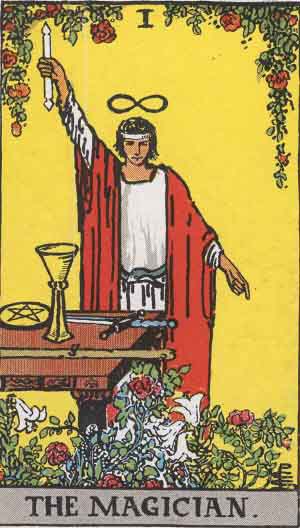
- Archetype: Will and skill
- Shadow: Manipulation, scattered effort
- Action: Pick one focus and ship a first version
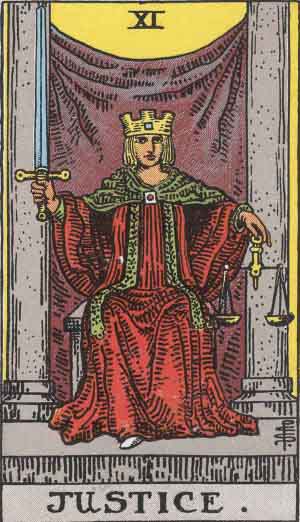
- Archetype: Truth and alignment
- Shadow: Perfectionism, harsh judgment
- Action: Make the fair, transparent choice
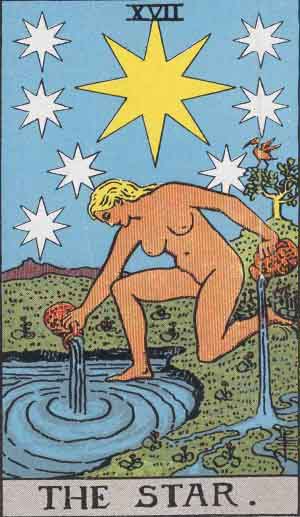
- Archetype: Hope and replenishment
- Shadow: Bypassing, passive waiting
- Action: Choose one nourishing ritual this week
A Major in a reading (worked example)
The point of the framework is that it travels into real readings. Say a seeker asks, “How do I get unstuck in my career?” in a Past–Present–Future spread, and The Tower lands in the Future. A Minor there might be a small step; a Major reframes the whole story.
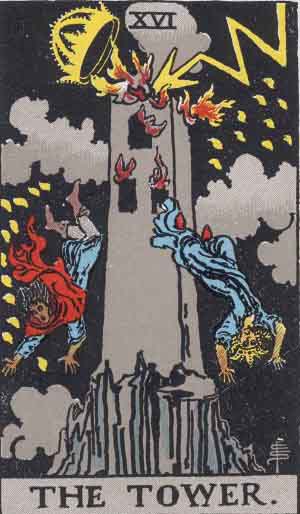
Run the framework: archetype — sudden upheaval that clears false structure; journey stage — integration, a necessary break; shadow — clinging to what's already cracking; action — stop propping it up.
So I'd read it as: “The Future here may point to a break you're bracing against — a role or plan that's going to give way. The card isn't punishing you; it's clearing ground. What would you build if the old structure finally came down?” The Major turned “a step” into “a chapter change.”
Common mistakes with the Majors
❌ Treating a Major as fixed fate.
✅ Instead: Read it as the chapter you're in and the invitation it carries — the seeker still writes the next page.
❌ Memorizing keywords with no story.
✅ Instead: Anchor each card to its journey stage; the keywords follow from the role.
❌ Ignoring how many Majors showed up.
✅ Instead: Two or more Majors in three cards signals real turning points — zoom out to identity and values.
Now you try
Draw a Past–Present–Future for a real seeker and watch for any Majors. When one appears, run the four-part framework out loud — then get instant feedback on your reading. No signup needed.
Try the Past–Present–Future now
Your seeker
Celeste. My father left when I was 10. After 20 years of silence, he’s reaching out. Part of me longs for closure, but I fear reopening wounds I worked hard to heal.
“What led to this moment with my father, and where is it heading?”
1 of 3
Past
What shaped this situation — the influences, patterns, or events that led to where you are now.
Feedback on your reading: strengths, blind spots, what to sharpen · free · no signup
Prefer one big text box?
FAQs
Do I need to memorize every keyword?
No. Learn the archetype and the role it plays in the journey. Readings improve when you connect meaning to the question and position, not when you recite a longer list.
What's the fastest way to study the Majors?
Group them into clusters — Beginnings, Balancing, Integration — and practice short readings within each. Groups beat isolated flashcards.
Should beginners use reversals?
Optional. Start upright; add reversals once your core meanings feel solid, and read them as internalisation, delay, or release.