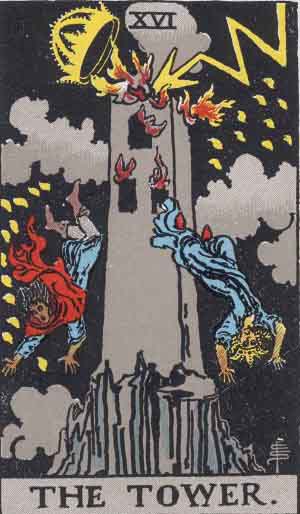
The Tower Yes or No? Leans No
You asked a yes/no question and drew The Tower. Short answer first, reasoning right after.
The short answer
- Upright
Leans no
Leans no for stability questions; closer to yes for change
- Reversed
No
Reversed is still a no, just slower: the disruption is resisted, not cancelled.
…and it can flip. Your question decides.
You asked "will it hold?", "will this go smoothly?", or "will things stay as they are?"
You asked "will something finally change?", "will the stalemate break?", or "will the truth come out?"
Why? See the reasoningShow less
The Tower is a sudden break in a structure with a shaky base. Asked "will this hold, will it go smoothly, will things stay as they are?", that's a no: disruption is the card's whole picture. Asked "will this stalemate break, will I learn the truth, will I get out of this?", the same disruption becomes the engine of the yes. Before you accept the no, check which kind of question you actually asked.
The Tower leans no when your question is about something staying stable, going smoothly, or holding together. But flip the question to "will something finally change?" or "will the truth come out?" and the same card moves close to a yes. With the Tower, the question decides the answer more than the card does.
Now read it for someone
Leo asks
“Is my café going to make it?”
One card for a yes-or-no question, and it is the Tower. What do you tell Leo?
The Tower Upright: Reading the Yes
Upright in a yes/no reading, treat the Tower as "no, not the way you're picturing it." Will we stay together as we are? No. Will the deal close without surprises? No. Will things stay stable? No. Expect the structure to move. Still, it is not predicting a disaster with your name on it. It's saying the thing your question assumes is stable has a crack, and yes/no framing hides that crack better than any other kind of question.
Signs to look for
- Your question assumes things hold, go smoothly, or stay as they are: no.
- Rephrased toward change ("will the stalemate break?"), the same card sits closer to yes.
- Asking whether something ends (a job, a lease) can be a fast yes.
Tell me moreShow less
Then run the flip test. Rephrase your question toward change: "will something break this stalemate?" "will what's hidden come out?" "will I finally get free of this?" If the new question is closer to what you actually want, the Tower sits closer to yes than the first read suggested.
This is the single most useful move with this card. It's also why a bare verdict is worthless: the reasoning lets you rerun the answer on your real question. The interactive Tower lesson trains exactly that move, and yes/no spreads work far better when the question is built before the shuffle.
Read it yourself
uprightA seeker asks "will my house sale go through without surprises?" and pulls the Tower upright.
What's your read?
The Tower Reversed: When the Answer Shifts
Reversed in a yes/no reading, the Tower most often means "no, and slower than you think." The disruption is being resisted or dragged out, so the answer you're waiting for gets delayed rather than delivered. If you asked "will this be over soon?", reversed leans no. The collapse everyone senses coming is being propped up, and propped-up structures take longer to fall than struck ones.
Signs to look for
- You asked "will this be over soon?" and the collapse is being propped up.
- The delay, not the disruption, is the answer: slower than you think.
- Your "will it be okay?" stands in for "do I need to end this?"
Tell me moreShow less
There's a second reversed read worth checking against your gut: avoidance. Sometimes the reversed Tower in a yes/no pull is pointing at the question itself. You're asking "will it be okay?" because the real question, "do I need to end this?", would bring something down. A card can't answer a question you didn't ask. If that lands a little too well, set the yes/no aside and give the situation one honest check-in card with the real question attached. Asking better tarot questions is the higher-value skill here anyway.
Read it yourself
reversedA seeker stuck in a stalled inheritance dispute asks "will this finally be over soon?" and draws the Tower reversed.
What's your read?
How to Read It More Precisely
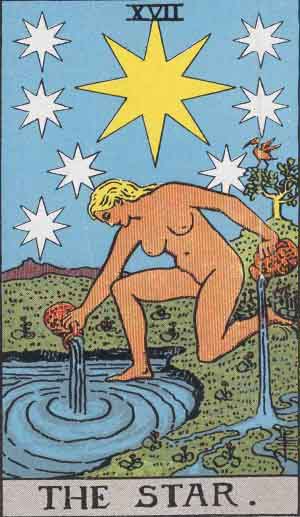
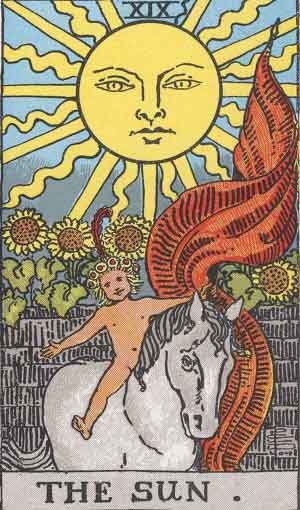
Neighbors soften the aftermath, not the disruption. Tower with the Star or the Sun reads as "the shake-up happens, then clears into something better." That's still a no for "will it be smooth," but a reassuring one.
Misread to correct: "Tower = no = disaster will strike me." The no is about stability, not safety. What falls was already cracked, and the exposure serves you in the end. It's frightening from inside the structure and freeing from outside it.
If your question was about ending something (a job, a case, a lease), the Tower can be a fast yes: a sudden ending, abrupt and final. "No to stability" and "yes to endings" are the same answer wearing different questions.
"No to stability" and "yes to endings" are the same answer wearing different questions.
Your turn: a practice read
You've seen the flip test. Run it on a live question.
A seeker's company has been circling a reorg for months. Meetings get moved, managers stay vague. She finally pulls one card on the question she keeps rehearsing in the shower.
“Will my role survive the reorg?”
The card on the table: The Tower. What's your read?
That was one rep, with the answer choices done for you. The full Tower lesson makes you do the naming. Read for a seeker in your own words, then get feedback on what you caught and what you missed.
The lesson · try it right here
Read The Tower yourself, with feedback
Pages tell you tendencies. A reading asks you to weigh them for one person, in one situation. That's the skill, and you can learn it.
A Sudden Break
The usual misread: “It's the Tower — total catastrophe, everything I've got is about to be ruined.”
Common Questions
Is the Tower always a no?
No. It's a no for stability and a lean-yes for change, which is why the question matters more than the card. "Will my situation stay comfortable?" gets a no. "Will something finally give?" gets close to a yes. If your reading felt crushing, check whether you asked a stability question about a situation you actually want to change. Run the flip test on a few practice questions and it becomes automatic.
Is the Tower always bad?
It's always disruptive, but it isn't always bad, and that difference is real, not just comfort. What the Tower brings down is something with a fault in its base: a pretense, a fragile setup, a plan that never fit. That's frightening while you're inside the structure. It's freeing somewhere between a week and a year later. What it is not: punishment, or random cruelty.
Is the Tower reversed a yes or no?
Still a no for most questions, just slower. Reversed, the disruption is resisted or delayed, so "will this end soon?" leans harder no. The ending is delayed, not cancelled. If you hoped the reversal softened the card into a yes, that's the misread to drop first.
Try reading The Tower yourself
Meanings only stick when you use them. Our free tarot exercises give you a real seeker and a real question — you read the cards, and get feedback on your interpretation. New to this? Start with how to practice tarot, the 15-minute daily loop.
Read the Tower for Leo →