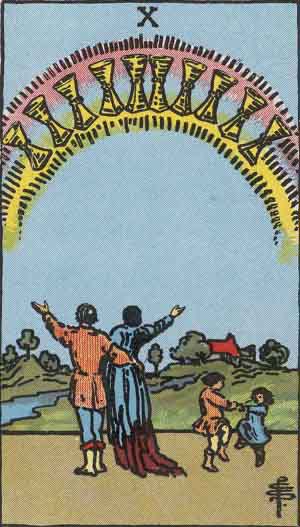
Ten of Cups Yes or No? Yes
You asked a yes/no question and drew Ten of Cups. Short answer first, reasoning right after.
The short answer
- Upright
Yes
Yes, and strongest for love, family, and happiness questions
- Reversed
Leans no
Reversed leans no for now: a live rift blocks the happy outcome, and it is repairable.
…and it can flip. Your question decides.
You asked "can we be happy together?", "will my family settle?", or "is this worth building on?"
You asked "will it fix itself?", "will it work out with no change from me?", or "is it already perfect?"
Why? See the reasoningShow less
The Ten of Cups is the deck's picture of emotional fulfillment shared with the people you love, so it answers happiness questions with a warm yes. The condition is built in: this card shows a life people made, not one that landed on them. Yes to what you are willing to build. If your question assumes it will happen by itself, read the yes as an invitation, not a delivery date.
The Ten of Cups is a yes, and one of the deck's most confident ones for questions about love, family, and lasting happiness. One check keeps the yes honest: this card says yes to what you build, not to what you wait for. If your question was "will it happen by itself," soften the yes.
Now read it for someone
Leo asks
“Is my café going to make it?”
One card for a yes-or-no question, and it is the Ten of Cups. What do you tell Leo?
Ten of Cups Upright: Reading the Yes
In a yes or no reading, the Ten of Cups is a yes, and one of the deck's warmest. Will we be happy together? Yes. Can my family come through this? Yes. Is this relationship worth building on? Yes. For questions about love, family, and emotional life, the card answers with its whole picture.
Signs to look for
- The question is about love, family, or lasting happiness.
- You are already doing the building: meals, patience, repair.
- You asked what you can build, not what will happen by itself.
Tell me moreShow less
One distinction keeps the yes honest. The Ten of Cups says yes to what you build, not to what you wait for. It confirms the destination is real and reachable from where you stand. It does not say the road walks itself. If your question was really "will it happen with no effort from me," the honest answer softens to "that depends on you."
That is why the reasoning matters more than the verdict: it lets you rerun the answer on your real question. Yes or no spreads work best when the question is sharpened before the shuffle.
Read it yourself
uprightA seeker asks "will my blended family ever feel like one family?" and pulls the Ten of Cups upright.
What's your read?
Ten of Cups Reversed: When the Answer Shifts
Reversed, the Ten of Cups in a yes or no reading leans no for now. It is not a slammed door. The happy outcome you asked about is blocked by something live: a rift, a disconnection, or a gap between how things look and how they feel. Until that gets named, the honest answer is not yet.
Signs to look for
- A live rift or disconnection sits under the question.
- Things look fine from outside and feel off inside.
- Nobody has named the problem out loud yet.
Tell me moreShow less
The useful part: this no comes with instructions. Repair moves the answer. One honest conversation, one dropped front, one named hurt, and the same question starts leaning toward yes. Ask, act, then ask again.
Watch for one trap: re-pulling the card all evening, hoping it lands upright. A reversal is information, not a dare. The Ten of Cups lesson drills the blocked-versus-gone call this answer depends on, and a run of practice questions builds the habit of acting on a read instead of re-rolling it.
Read it yourself
reversedA seeker asks "will my partner's family accept me?" and draws the Ten of Cups reversed.
What's your read?
How to Read It More Precisely
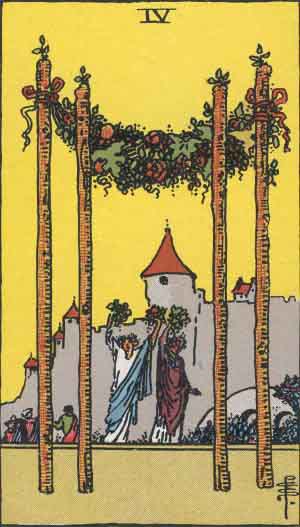
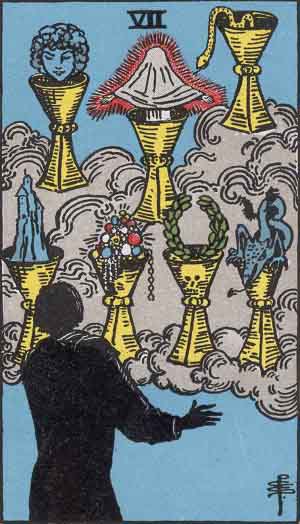
Neighbors adjust the confidence. The Four of Wands firms the yes: the ground is already set. The Seven of Cups slows it down: you may be asking about a picture rather than a plan.
A yes or no about happiness usually hides a better question. "Will we be happy?" becomes "what would make us happy, and are we doing it?" The second one gets useful answers. Asking better tarot questions is the skill underneath.
Misread to catch: treating this yes as permission to coast. The card confirms the destination. Coasting is how couples holding this card drift into its reversal.
A yes from the Ten of Cups means the door is open, not that you can stand still in it.
Your turn: a practice read
You've seen the built yes. Make the call on a live question.
A seeker and her sister stopped speaking two years ago after a fight at their father's funeral. Lately she keeps drafting texts to her and deleting them. She pulls one card.
“Will my sister and I be close again?”
The card on the table: Ten of Cups. What's your read?
That was one rep, with the reads written for you. The full Ten of Cups lesson makes you find the shared-life thread in a seeker's own words, then you see what you caught and what you missed.
The lesson · try it right here
Read Ten of Cups yourself, with feedback
Pages tell you tendencies. A reading asks you to weigh them for one person, in one situation. That's the skill, and you can learn it.
Shared Happiness
The usual misread: “It's the happy-ever-after card — perfect family, everything's wonderful.”
Common Questions
Is the Ten of Cups a yes or no card?
Yes, and a strong one for questions about love, family, reconciliation, and happiness. Its yes comes with a condition worth respecting: the card confirms the destination is real, not that it arrives without effort. If your question assumed things would fix themselves, read the yes as an invitation to start building rather than a result being delivered.
What does the Ten of Cups say about timing?
Tens sit at the end of a suit's cycle, so many readers take this card as "near the finish: closer than it feels, once the emotional groundwork is done." Hold that lightly. Cards are honest about direction and poor with calendars, and timing in tarot is educated guesswork at the best of times. Let actions, not card counts, set the schedule.
Is the Ten of Cups reversed a yes or no?
Leans no for now, with a path back to yes. Reversed, the happy outcome is blocked by something live: a rift, a disconnection, a kept-up front. The block is real, so as asked, the answer is not yet. It is also repairable. Name the problem, have the conversation, then ask your question again. This reversal marks a delay you can act on, not a refusal.
Try reading Ten of Cups yourself
Meanings only stick when you use them. Our free tarot exercises give you a real seeker and a real question — you read the cards, and get feedback on your interpretation. New to this? Start with how to practice tarot, the 15-minute daily loop.
Read the Ten of Cups for Leo →