Yes or No
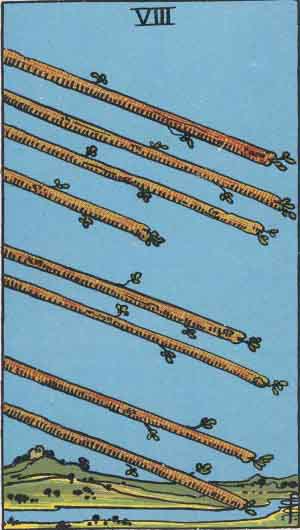 1
1The Leaning
The overall tilt of the answer. Open, active, forward-moving cards lean yes; blocked, cautionary, or withdrawing cards lean no.
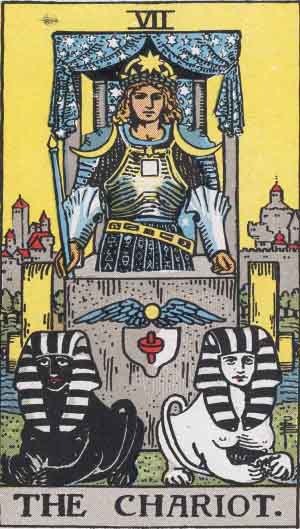 2
2The Reason
Why the cards lean that way — the heart of what's really driving the answer.
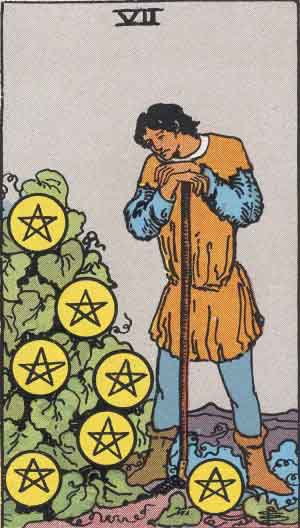 3
3The Condition
What would have to be true, or change, for that answer to hold. The honest fine print.
Sample cards shown. Your practice reading draws a fresh spread.
Reach for this spread when
- ✓A clear, closed question that genuinely has a yes-or-no shape
- ✓When you're stuck in analysis and need a starting leaning to react to
- ✓Quick gut-checks before committing to a deeper reading
Skip it when
- ✕Questions you’d re-ask tomorrow whatever it says. If no card could settle it, it isn’t a yes/no question yet.
- ✕Open-ended “what should I do about…” questions — forced into yes/no shape, they lose the real reading. Three-Card Daily fits those better.
- ✕High-stakes choices you’re hoping to outsource to the deck. This spread hands you a leaning with terms attached — it doesn’t take the responsibility off you.
Got the layout? Read this spread for a real seeker and get feedback on strengths, blind spots, and what to sharpen. Free, no signup. Not sure how to practise yet? How to practice tarot is the 15-minute loop we recommend.
Try a reading nowTry it now
The cards are dealt. Read this spread for a real seeker and get instant feedback on your interpretation. No signup needed.
Try the Yes or No now
Your seeker
Marcus. I'm 29 and my band is finally getting noticed, but my day job just offered me a promotion. I feel like this might be my last real shot at making music work.
“Should I say yes to the bigger role my boss offered me?”
1 of 3
The Leaning
The overall tilt of the answer. Open, active, forward-moving cards lean yes; blocked, cautionary, or withdrawing cards lean no.
Feedback on your reading: strengths, blind spots, what to sharpen · free · no signup
Prefer one big text box?
Worked example
A draw like this, read card by card
One way to walk these cards, not the only one. The language stays open (“it may point to…”): the cards suggest, they don't dictate.
“Should I say yes to the bigger role my boss offered me?”
The Leaning: Eight of Wands
I'd read the Eight of Wands as a clear lean toward yes — wands flying through open air, momentum already in motion. It suggests the situation wants forward movement, not hesitation.
In another contextShow less
In a relationship question, the same swift energy might read as news arriving fast or a connection accelerating — momentum, in whatever the question is about.
The Reason: The Chariot
The Chariot reads as why the lean is yes: drive, capability, and readiness to take the reins. It points to a moment where stepping up matches who you've become, not a stretch beyond you.
The Condition: Seven of Pentacles
Seven of Pentacles is the honest fine print — a yes that only pays off if you're willing to invest and wait. It suggests the reward is real but not instant; say yes only if you can tend it patiently.
Read as one story
Read together: the answer leans yes (Eight of Wands), because you're genuinely ready to drive it (The Chariot) — on the condition that you commit to the slow payoff rather than expecting quick wins (Seven of Pentacles). Notice the spread didn't decide for you; it handed you a yes with its terms attached so you could choose with your eyes open.
The move: reading the Condition card as the terms of the yes, not a separate prediction. A yes-with-terms beats a plain yes — and reading positions as clauses of one answer is learnable. Practise moves like this in the card lessons.
Same card, a different questionShow less
The Chariot here: As the Reason behind a yes, it reads as drive and readiness to take the reins.
In the Decision 5-Card: On an Option Outcome position, the same card reads less as 'you're ready' and more as the result that path produces — momentum and control if you choose it.
About the Yes or No
Tarot isn't a magic 8-ball, and a good yes/no reading doesn't pretend to be one. This three-card version reads the leaning — whether the cards' energy is moving toward yes or no — and then shows you why and what would change it, so you walk away able to decide with clarity rather than just handed a verdict.
Also Good For
- ✓Testing how you feel — your relief or resistance to the answer is data too
- ✓Time-sensitive decisions that need a nudge, not a full reading
Common Mistakes
Treating the answer as fixed fate
Instead: Read it as a leaning plus a reason — you're gathering insight to decide, not outsourcing the decision.
Re-asking until you get the answer you want
Instead: Ask once. Sit with the leaning even when it's not what you hoped — that discomfort is often the real message.
Ignoring the 'no' instead of learning from it
Instead: A no card usually tells you what to change or wait for, not simply to stop. Read the Condition card before you give up.
Is a Specific Card a Yes or a No?
The spread reads the leaning across three cards. Each card also has its own yes/no tendency, and the reasoning that flips it. Short answers, card by card:
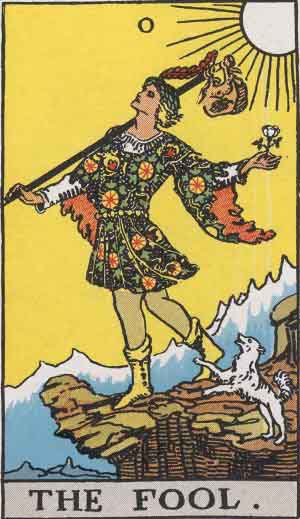
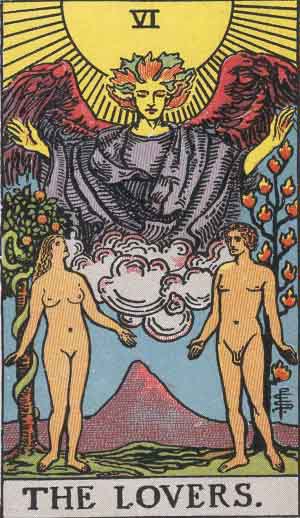
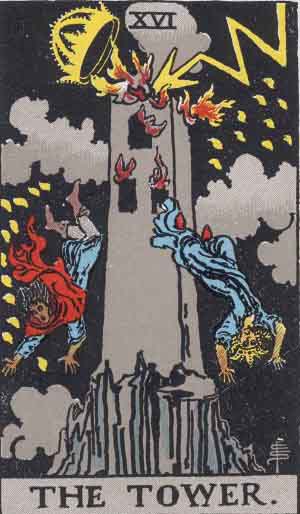
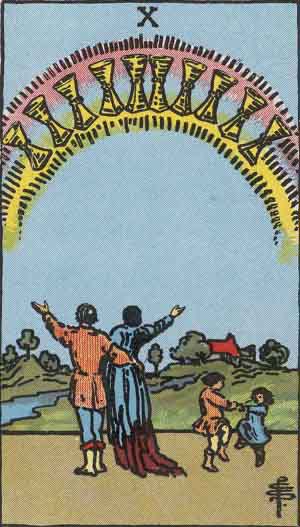
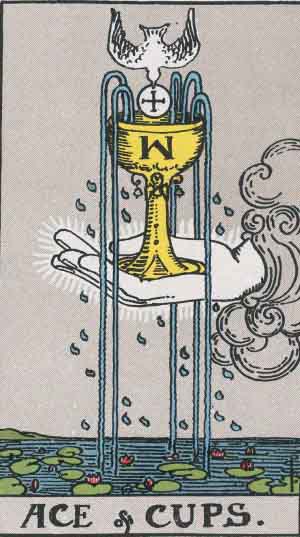
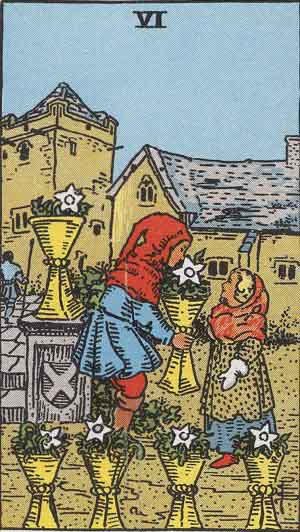
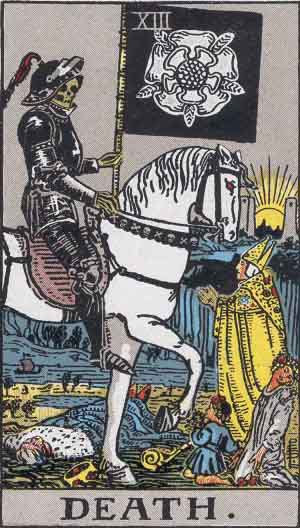
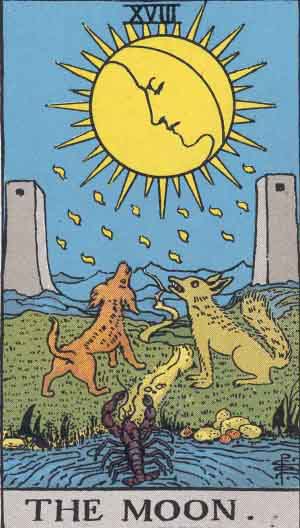
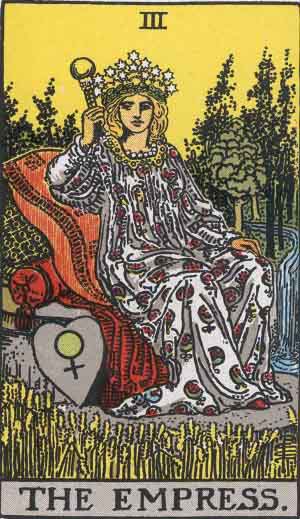

Card lessons · try one right here
Spreads get easier when each card speaks.
Positions tell you where to look; the cards still have to say something. Each card has its own short interactive lesson: catch the common misread, hear what the card says, then prove it in a quick check.
Things Moving Fast
The usual misread: “It's the Eight of Wands — so it's good news speeding in, and the read is chase it and go.”
Practice the Yes or No with a real question
Reading about positions is the easy half. Our free tarot exercises hand you a seeker, a question, and drawn cards. You do the reading, and get feedback on your interpretation.
Try the tarot exercises →